
Services / Restorative Dentistry

Restorative Dentistry in Chicago

Repair damaged teeth, replace what is missing, and keep what is still healthy.

Restorative dentistry is about getting your mouth working comfortably again. That may mean repairing a cavity, protecting a cracked tooth, replacing an older restoration, or rebuilding teeth that are missing altogether. At LPS Dental, we start by determining what can be preserved and then choose the least extensive treatment that can reasonably restore the tooth. Care is available in Lincoln Park, Downtown Chicago, and Norwood Park.

640+ Reviews

4.9 Overall Rating

Since 1999

Serving Chicago

3 Locations

Across Chicago

Trusted by Chicago — our associations, accreditations and partners.

What We Offer

Our Chicago Restorative Dentistry Services

Restorative dentistry is about getting your mouth working comfortably again. That may mean repairing a cavity, protecting a cracked tooth, replacing an older restoration, or rebuilding teeth that are missing altogether.

Tooth-Colored Fillings
01

Tooth-Colored Fillings

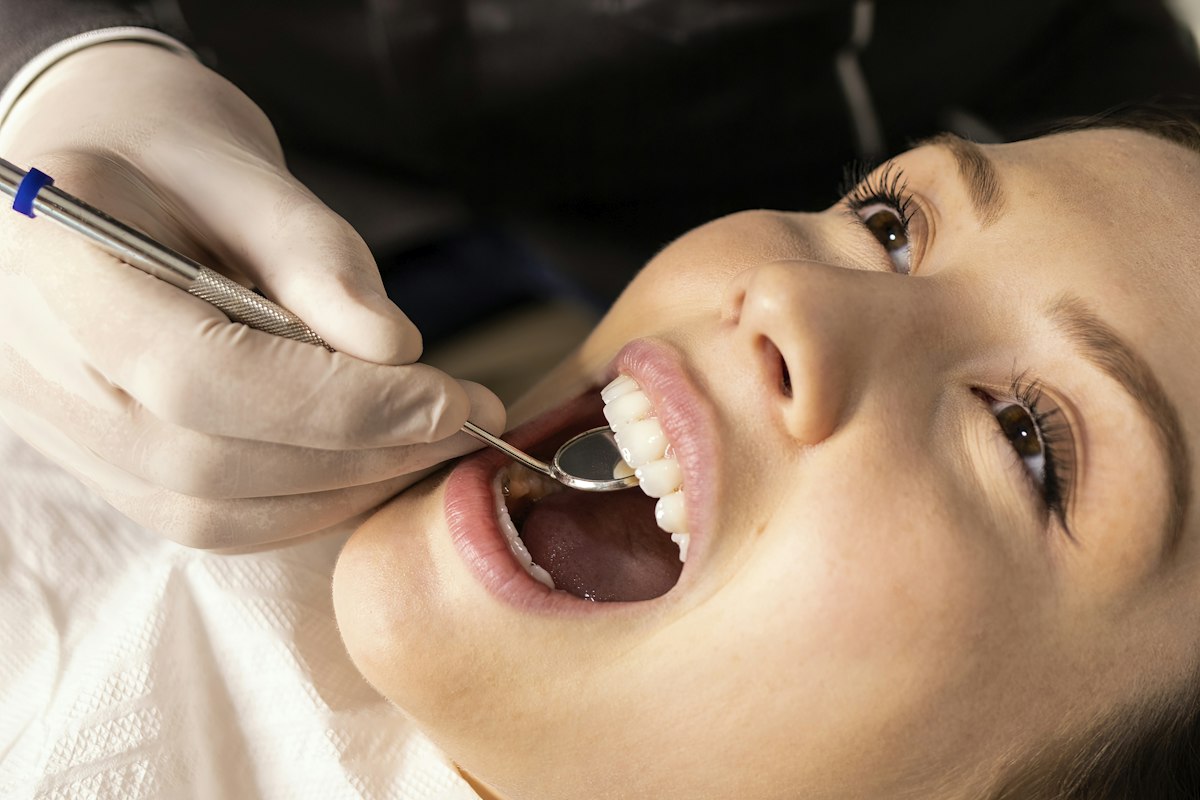
When decay or minor damage affects a limited portion of the tooth, composite material can be used to replace what was lost while preserving the surrounding healthy structure.

More about this service

When decay or minor damage affects a limited portion of the tooth, composite material can be used to replace what was lost while preserving the surrounding healthy structure. The restoration is shaped to restore the tooth's contour and function and can be matched to the surrounding enamel.
Learn More
Dental Crowns
02

Dental Crowns

A crown covers and reinforces a tooth when too much structure has been lost for a conventional filling to provide adequate support.

More about this service

A crown covers and reinforces a tooth when too much structure has been lost for a conventional filling to provide adequate support. Crowns may be considered for teeth with large restorations, significant fractures, extensive decay, or other structural weakness. Same-day CEREC crowns are also available for appropriate cases.

Learn More
Dental Bridges
03

Dental Bridges

A fixed bridge can replace one or more missing teeth using neighboring teeth or dental implants for support.

More about this service

A fixed bridge can replace one or more missing teeth using neighboring teeth or dental implants for support. We compare bridges with implant treatment and removable options before deciding which approach makes sense for the missing space.

Learn More
Dental Implants
04

Dental Implants

Dental implants can replace individual missing teeth or support larger bridges and full-arch restorations.

More about this service

Dental implants can replace individual missing teeth or support larger bridges and full-arch restorations. Implant planning considers the bone, gums, bite, available space, and the restoration that eventually needs to sit above the implant.

Learn More
Inlays & Onlays
05

Inlays & Onlays

Some teeth fall into the space between a small filling and a full crown.

More about this service

Some teeth fall into the space between a small filling and a full crown. An inlay or onlay may sometimes allow the damaged portion of a back tooth to be rebuilt while preserving more natural structure than a full-coverage crown. Whether this approach is suitable depends on the extent and location of the damage.

Learn More
Complex Reconstruction
06

Complex Reconstruction

When several teeth are badly worn, missing, fractured, or covered by failing dental work, treating each tooth independently may not be the best approach.

More about this service

When several teeth are badly worn, missing, fractured, or covered by failing dental work, treating each tooth independently may not be the best approach. A coordinated restorative plan may involve crowns, bridges, implants, periodontal treatment, or other procedures completed in stages. Complex cases may also benefit from prosthodontic planning.

Learn More

Comfort, Expertise, And Trust

Why Choose LPS Dental For Restorative Dentistry?

Patient story from Lincoln Park Smiles

01We Listen Before We RecommendTell us what you notice.

Tell us what you notice. The recommendation comes after we understand the problem.

02Natural Results MatterTreatment should look like your smile, not a one-size-fits-all result.

Treatment should look like your smile, not a one-size-fits-all result.

03We Look Beyond AppearanceWe evaluate the health of the teeth and gums, existing restorations, tooth position, and bite before treatment.

We evaluate the health of the teeth and gums, existing restorations, tooth position, and bite before treatment.

04You Can See and Understand the PlanWe explain why something is recommended, what alternatives exist, and what treatment involves before you decide.

We explain why something is recommended, what alternatives exist, and what treatment involves before you decide.

How It Works

What To Expect From Your Restorative Dentistry Visit

  1. 01

    Start With the Problem

    Tell us what changed.

    Read the full step

    Tell us what changed. Maybe a filling broke yesterday. Maybe a tooth has gradually become sensitive. Perhaps several teeth have been patched repeatedly and you want to understand the bigger picture. Your experience helps guide where we look first.

  2. 02

    Examine the Teeth and Supporting Tissues

    We evaluate the damaged tooth, surrounding teeth, gums, existing restorations, and bite.

    Read the full step

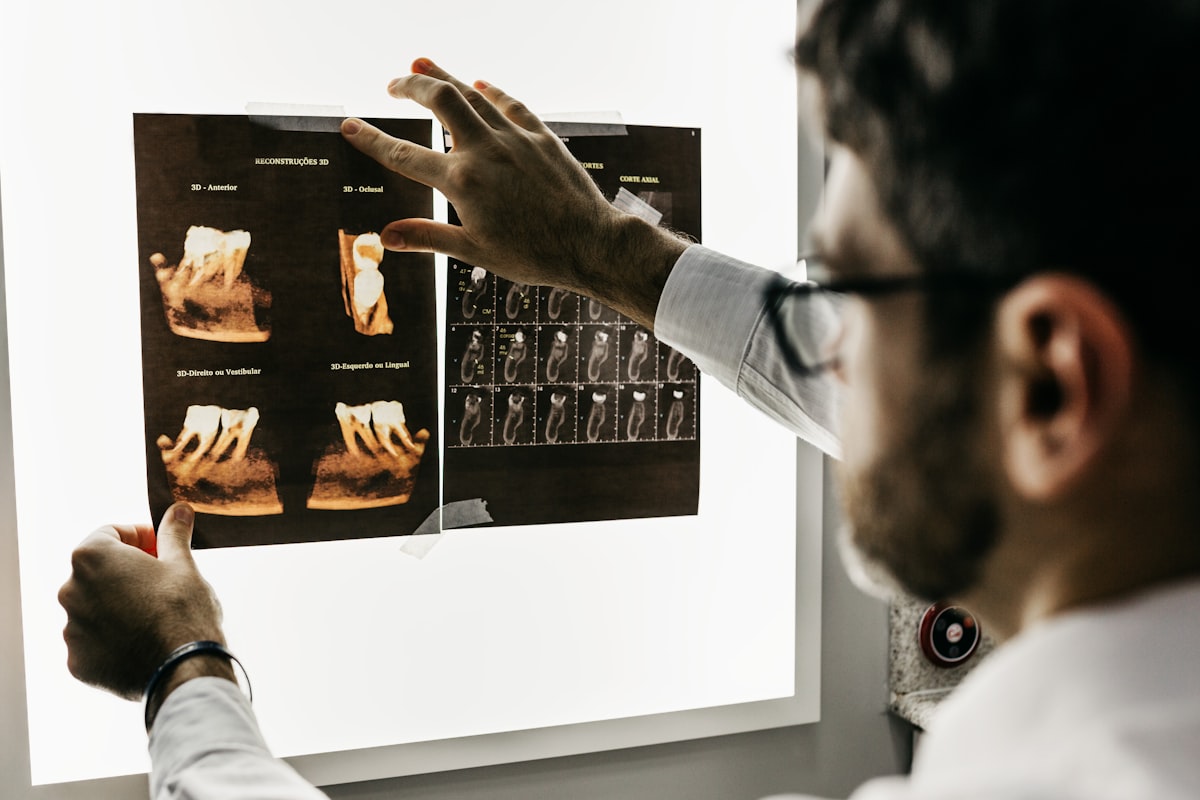
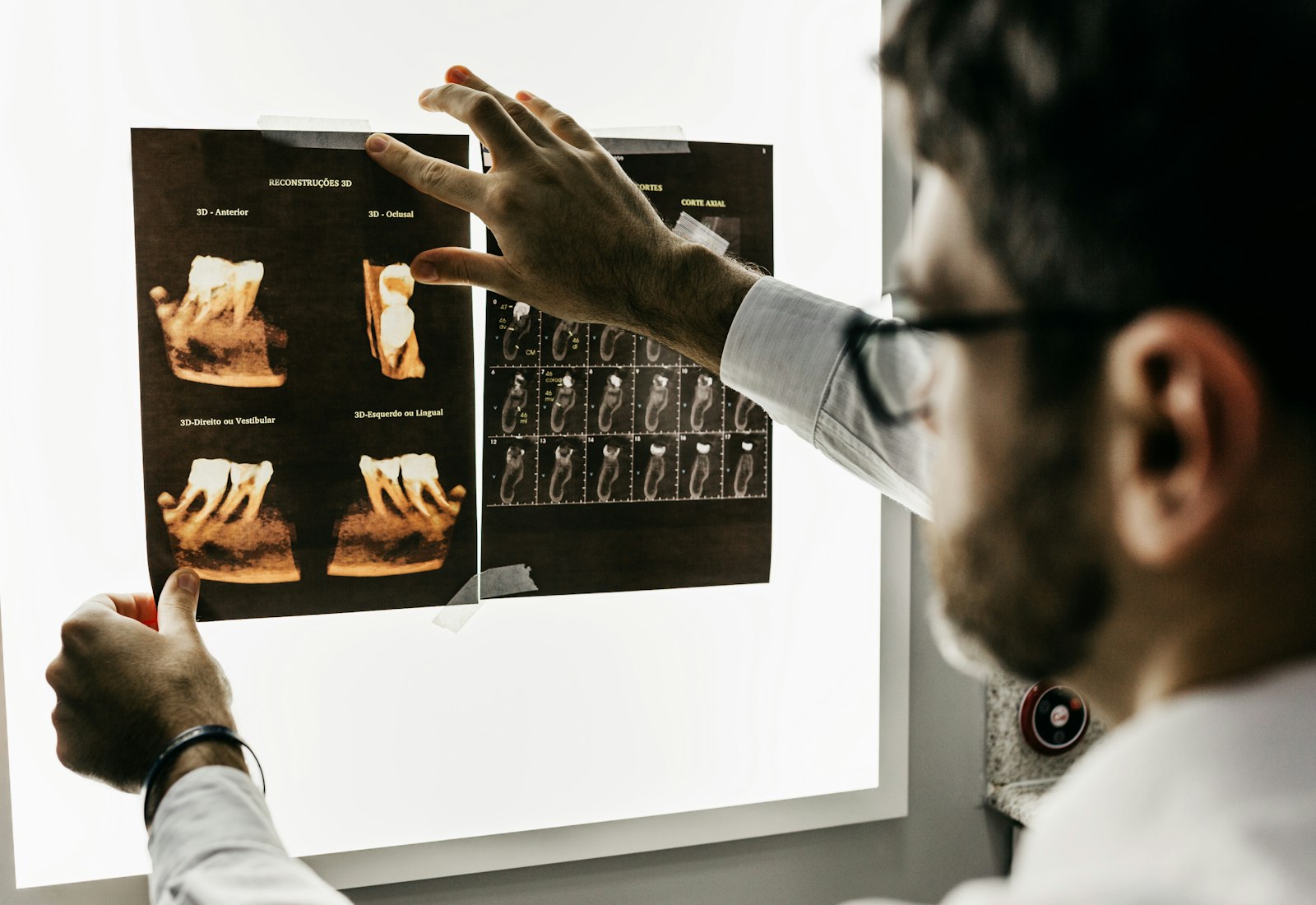
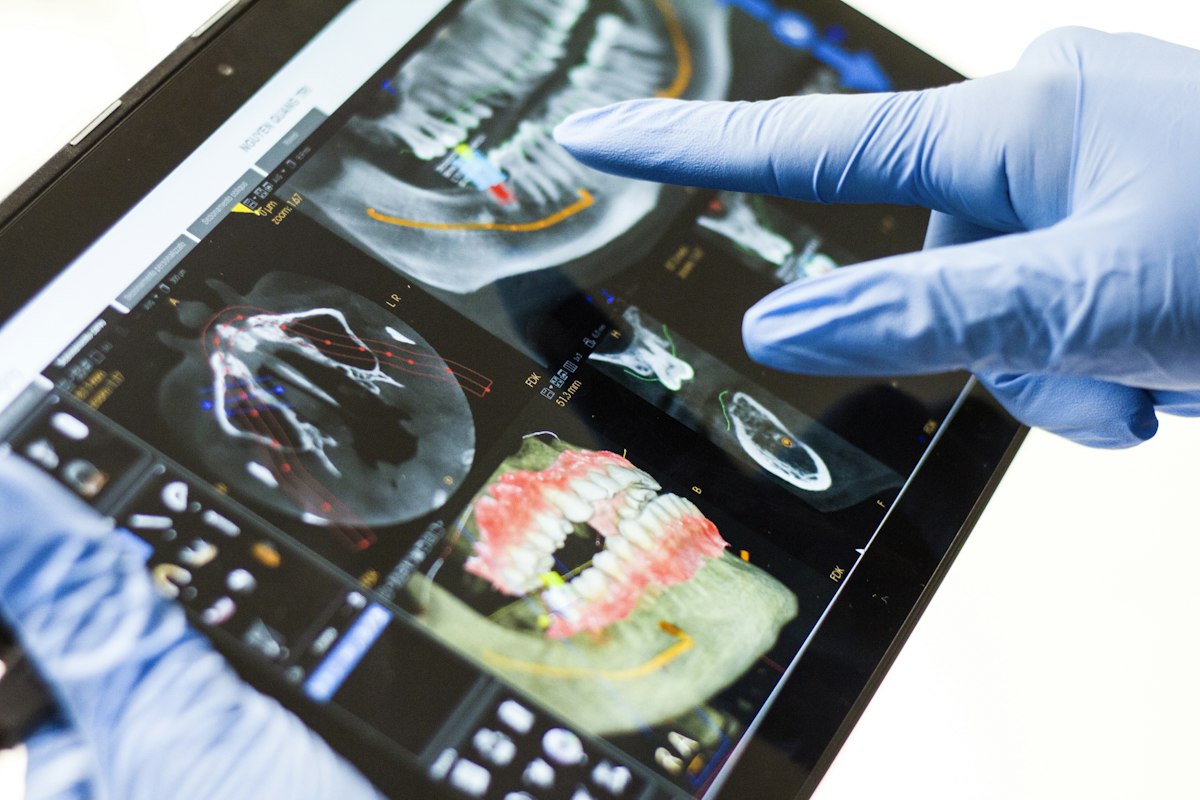
    We evaluate the damaged tooth, surrounding teeth, gums, existing restorations, and bite. Dental X-rays or other imaging may be recommended when information below the surface affects the diagnosis.

  3. 03

    Determine What Can Be Preserved

    Before recommending a restoration, we identify healthy structure that should remain.

    Read the full step

    Before recommending a restoration, we identify healthy structure that should remain. We also assess whether an existing filling, crown, bridge, or other restoration can continue functioning rather than assuming it needs replacement.

  4. 04

    Compare the Treatment Options

    Some decisions are straightforward.

    Read the full step

    Some decisions are straightforward. Others involve a genuine choice between a filling and crown, bridge and implant, repair and replacement, or limited treatment and broader reconstruction. We explain the advantages and limitations before treatment starts.

  5. 05

    Restore Function and Fit

    The restoration needs to fit the tooth, neighboring teeth, and opposing bite.

    Read the full step

    The restoration needs to fit the tooth, neighboring teeth, and opposing bite. Whether we are placing a filling, crown, bridge, or implant restoration, contour and function matter alongside appearance.

  6. 06

    Maintain the Result

    Restorative dentistry does not eliminate the need for preventive care.

    Read the full step

    Restorative dentistry does not eliminate the need for preventive care. Natural teeth around crowns and bridges can still develop decay. Implants still need healthy supporting tissues. Restorations are also subject to wear over time. Ongoing examinations and good home care protect the work you have already invested in.

LPS Dental Chicago dentists

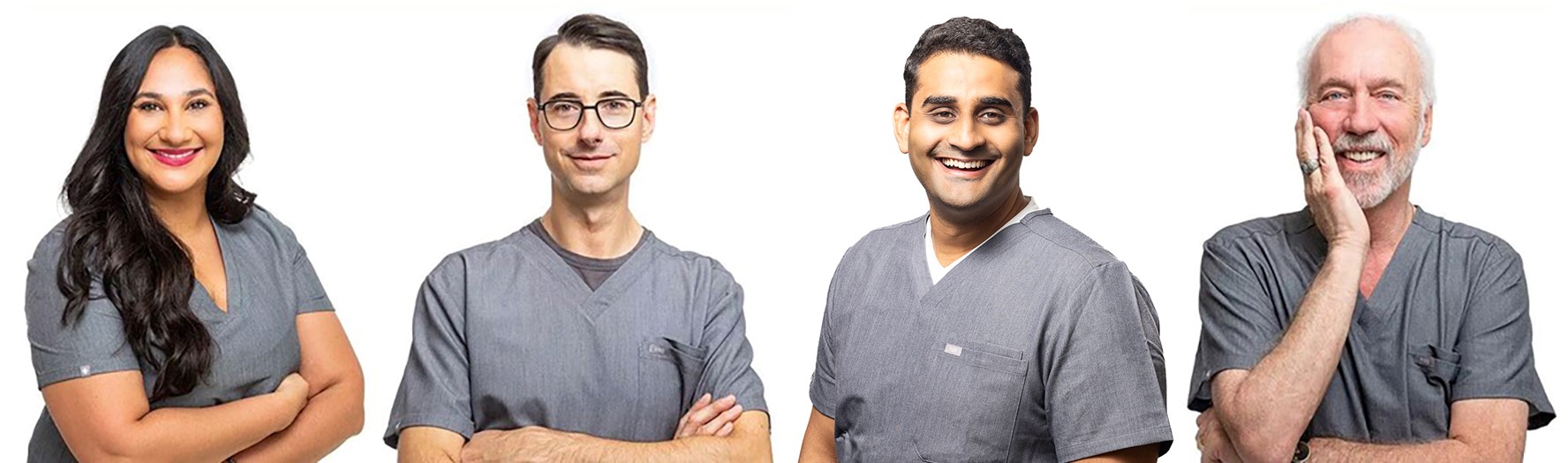
Meet The LPS Dental Team

Top Chicago Dentists

LPS Dental's roots in Chicago go back to 1999, when Dr. Jack Manikowski opened Lincoln Park Smiles.

Read more about the team

Today, LPS Dental has three Chicago offices and a team whose experience extends across cosmetic, restorative, implant, periodontal, prosthodontic, and general dentistry.

  • Treatment planning that considers appearance, tooth structure, function, and long-term health together.

  • Dr. Jack Manikowski is a member of the American Academy of Cosmetic Dentistry.

  • Digital scanning and planning tools help us evaluate and communicate proposed treatment.

Meet Our Dentists
Real Patients, Real Results

People Love LPS Dental

Questions & Answers

Restorative Dentistry FAQ

It is normal to have questions before treatment. Here are some of the things patients often want to understand first.

Restorative dentistry focuses on repairing damaged teeth and replacing teeth that are missing. Common treatments include fillings, crowns, bridges, dental implants, inlays, onlays, dentures, and more complex restorative reconstruction.

General dentistry covers broad ongoing dental care including exams, prevention, diagnosis, and common treatments. Restorative dentistry specifically focuses on rebuilding tooth structure or replacing teeth after damage or tooth loss. There is considerable overlap between the two.

Restorative dentistry is primarily concerned with repairing function and structure. Cosmetic dentistry focuses primarily on changing appearance. The two often overlap because a well-designed crown, filling, bridge, or implant restoration should also look appropriate in the smile.

Restorative dentistry is the broader category of repairing and replacing teeth. Prosthodontics is a recognized dental specialty involving advanced training in restoration and tooth replacement, particularly for complex cases involving crowns, bridges, implants, dentures, bite rehabilitation, and full-mouth reconstruction.

Examples include tooth-colored fillings, dental crowns, bridges, dental implants, inlays, onlays, dentures, and treatment involving several damaged or missing teeth. The appropriate restoration depends on the condition of the tooth or missing space.

No. Many damaged teeth can be repaired, but the prognosis depends on how much sound structure remains, root condition, cracks, decay, periodontal support, and other factors. If a tooth cannot be restored predictably, extraction and replacement may need to be discussed.

A healthy or predictably restorable natural tooth is generally worth preserving. An implant becomes more relevant when a tooth is missing or cannot reasonably be saved. The decision should be based on the prognosis of the natural tooth rather than assuming an implant is automatically superior.

There is no universal size. As more tooth structure is lost, the remaining walls can become increasingly vulnerable to fracture. A crown or another restoration may be considered when there is no longer enough sound tooth structure for a conventional filling to provide reliable support.

Start Your Next Visit Today

LPS Dental has cared for Chicago patients since Dr. Jack Manikowski opened Lincoln Park Smiles in 1999.

Read more

Today, our team provides general, restorative, cosmetic, periodontal, prosthodontic, implant, and orthodontic care across three Chicago offices. That range becomes particularly useful in restorative dentistry. A small filling may need nothing more than straightforward treatment. A more complicated case may involve periodontal health, dental implants, several failing restorations, or a bite that needs to be considered before new crowns are placed. For complex restorative cases, Dr. Robert Baima brings advanced specialty training in Prosthodontics, Periodontics, and Dental Implantology. The objective is the same whether treatment involves one tooth or many: understand the problem first, preserve what remains healthy, and rebuild only what needs to change. Supporting Points Serving Chicago Since 1999 Longstanding restorative and general dental care. Conservative Treatment Planning Keep healthy natural tooth structure wherever practical. Specialty Expertise Available Periodontal and prosthodontic perspectives for complex restorative cases. Three Chicago Locations Restorative care in Lincoln Park, Downtown Chicago, and Norwood Park.

  • Lincoln Park1701 N Sheffield Ave #101, Chicago, IL 60614312-337-1665
  • Downtown Chicago Loop30 N Michigan Ave #1520, Chicago, IL 60602312-236-9325
  • Norwood Park6315 N Milwaukee Ave #2, Chicago, IL 60646773-774-1493