
Services / General Dentistry

General Dentistry in Chicago

Everyday dental care built around keeping your natural teeth healthy.

From routine exams and preventive care to cavities, broken teeth, fillings, crowns, and gum concerns, LPS Dental provides general dentistry for Chicago patients at every stage of their oral health. Our approach is straightforward: understand what is happening, treat what needs attention, and preserve as much healthy tooth structure as possible. Visit us in Lincoln Park, Downtown Chicago, or Norwood Park.

640+ Reviews

4.9 Overall Rating

Since 1999

Serving Chicago

3 Locations

Across Chicago

Trusted by Chicago — our associations, accreditations and partners.

What We Offer

Our Chicago General Dentistry Services

From routine exams and preventive care to cavities, broken teeth, fillings, crowns, and gum concerns, LPS Dental provides general dentistry for Chicago patients at every stage of their oral health. Our approach is straightforward: understand what is happening, treat what needs attention, and preserve as much healthy tooth structure as possible.

Dental Exams & Checkups
01

Dental Exams & Checkups

A dental exam gives us a chance to look for changes before they become painful or expensive to treat.

More about this service

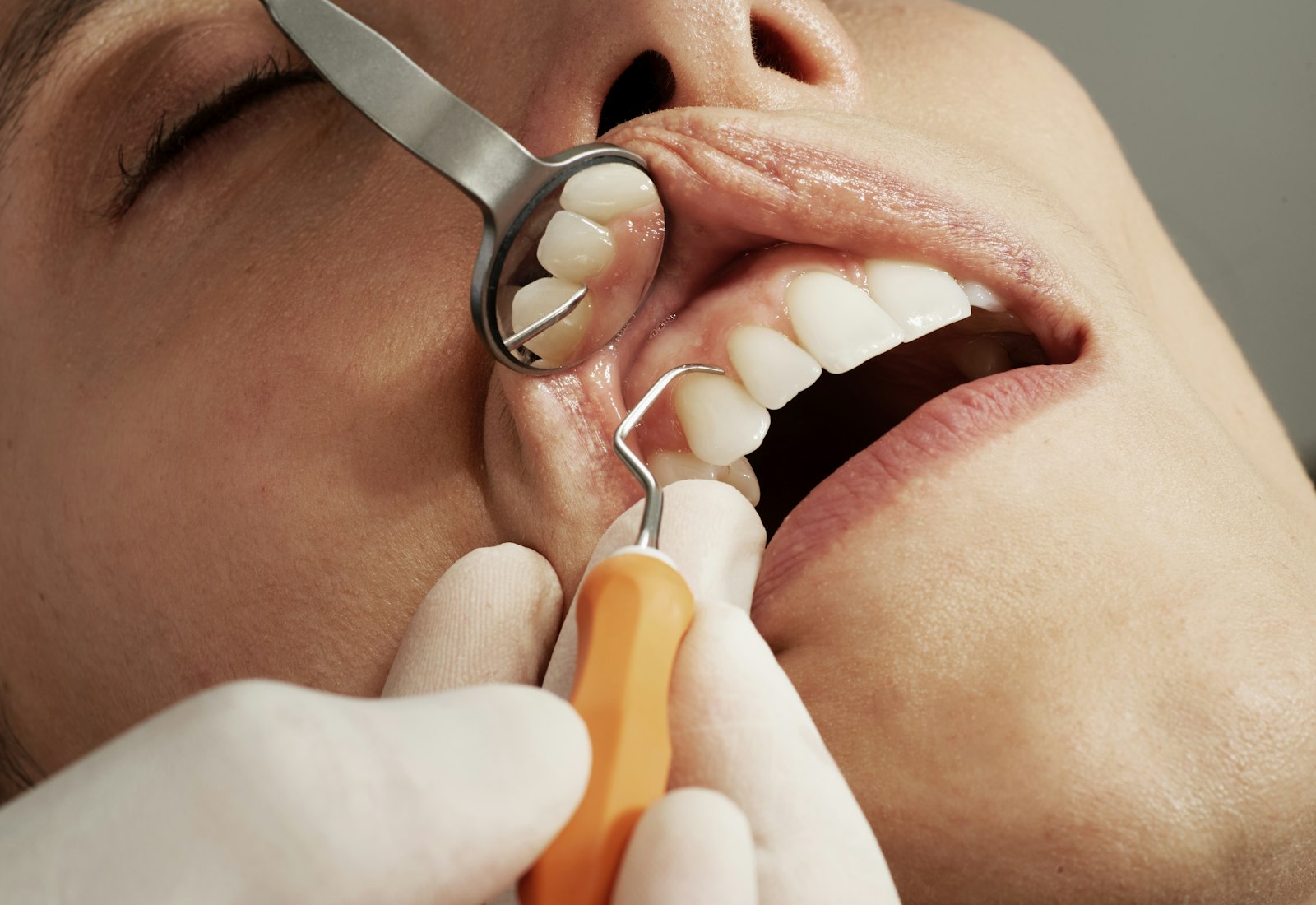
A dental exam gives us a chance to look for changes before they become painful or expensive to treat. We evaluate the teeth, gums, existing fillings and crowns, bite, and other areas of the mouth. When appropriate, dental imaging gives us information that cannot be seen during a visual exam alone.

Learn More
Preventive Care & Cleanings
02

Preventive Care & Cleanings

Plaque and tartar collect in places that are difficult to manage completely at home.

More about this service

Plaque and tartar collect in places that are difficult to manage completely at home. Regular professional care helps us remove buildup, monitor gum health, and spot changes while they are still manageable. We can also talk through brushing, flossing, sensitivity, dry mouth, and other everyday concerns without turning the appointment into a lecture.

Learn More
Cavity Prevention & Treatment
03

Cavity Prevention & Treatment

A cavity often starts quietly.

More about this service

A cavity often starts quietly. By the time a tooth hurts, decay may already have progressed farther than it needed to. Routine exams allow us to identify areas of concern earlier and talk about the reason decay may be developing, not just repair the hole after it appears.

Learn More
Tooth-Colored Fillings
04

Tooth-Colored Fillings

When a cavity or small area of damage needs repair, tooth-colored composite can rebuild the affected part of the tooth while blending with the surrounding enamel.

More about this service

When a cavity or small area of damage needs repair, tooth-colored composite can rebuild the affected part of the tooth while blending with the surrounding enamel. How much treatment is needed depends on how much healthy tooth structure remains.

Learn More
Dental Crowns & Broken Teeth
05

Dental Crowns & Broken Teeth

Some teeth need more support than a filling can provide.

More about this service

Some teeth need more support than a filling can provide. A crown may be recommended when a tooth is badly fractured, heavily restored, significantly weakened, or otherwise unable to support a smaller restoration predictably. The decision should be based on what the tooth actually needs, not simply because a crown is an available option.

Learn More
Gum Health
06

Gum Health

Healthy teeth need healthy support.

More about this service

Healthy teeth need healthy support. Bleeding, swelling, tenderness, gum recession, and persistent bad breath can all be reasons to take a closer look at the gums. Some concerns can be managed through routine preventive care, while more advanced periodontal problems may require additional treatment.

Learn More

Comfort, Expertise, And Trust

Why Choose LPS Dental For General Dentistry?

Patient story from Lincoln Park Smiles

01We Listen Before We RecommendTell us what you notice.

Tell us what you notice. The recommendation comes after we understand the problem.

02Natural Results MatterTreatment should look like your smile, not a one-size-fits-all result.

Treatment should look like your smile, not a one-size-fits-all result.

03We Look Beyond AppearanceWe evaluate the health of the teeth and gums, existing restorations, tooth position, and bite before treatment.

We evaluate the health of the teeth and gums, existing restorations, tooth position, and bite before treatment.

04You Can See and Understand the PlanWe explain why something is recommended, what alternatives exist, and what treatment involves before you decide.

We explain why something is recommended, what alternatives exist, and what treatment involves before you decide.

How It Works

What To Expect From Your General Dentistry Visit

  1. 01

    Talk About What Has Changed

    Tell us about sensitivity, pain, bleeding gums, a broken filling, changes in your bite, medications, health conditions, or anything else you have noticed.

    Read the full step

    Tell us about sensitivity, pain, bleeding gums, a broken filling, changes in your bite, medications, health conditions, or anything else you have noticed. And if nothing feels wrong, tell us that too. Routine visits are partly about confirming that things are staying healthy.

  2. 02

    Examine Your Teeth and Gums

    Your dentist evaluates the teeth, existing dental work, gums, bite, and other oral tissues.

    Read the full step

    Your dentist evaluates the teeth, existing dental work, gums, bite, and other oral tissues. We are looking for decay, fractures, wear, gum inflammation, failing restorations, and other changes that may need attention.

  3. 03

    Use Imaging When It Adds Useful Information

    Not every dental problem can be seen from the surface.

    Read the full step

    Not every dental problem can be seen from the surface. X-rays and other dental imaging may be recommended based on your history, symptoms, age, previous findings, and what needs to be evaluated. The point is to gather information that will actually affect your care.

  4. 04

    Clean and Maintain the Mouth

    When appropriate, professional cleaning removes plaque and hardened deposits that cannot be fully removed with normal brushing and flossing.

    Read the full step

    When appropriate, professional cleaning removes plaque and hardened deposits that cannot be fully removed with normal brushing and flossing. If the gums need something beyond a routine cleaning, we will explain the difference and why additional periodontal care may be recommended.

  5. 05

    Decide What Happens Next

    Sometimes the answer is simple: everything looks healthy and we see you again at your next preventive visit.

    Read the full step

    Sometimes the answer is simple: everything looks healthy and we see you again at your next preventive visit. Other times, we may find a cavity, cracked tooth, gum concern, worn restoration, or another issue. We will explain what we found, what your options are, and how urgent the treatment actually is.

LPS Dental Chicago dentists

Meet The LPS Dental Team

Top Chicago Dentists

LPS Dental's roots in Chicago go back to 1999, when Dr. Jack Manikowski opened Lincoln Park Smiles.

Read more about the team

Today, LPS Dental has three Chicago offices and a team whose experience extends across cosmetic, restorative, implant, periodontal, prosthodontic, and general dentistry.

  • Treatment planning that considers appearance, tooth structure, function, and long-term health together.

  • Dr. Jack Manikowski is a member of the American Academy of Cosmetic Dentistry.

  • Digital scanning and planning tools help us evaluate and communicate proposed treatment.

Meet Our Dentists
Real Patients, Real Results

People Love LPS Dental

Questions & Answers

General Dentistry FAQ

It is normal to have questions before treatment. Here are some of the things patients often want to understand first.

A general dentist provides routine and ongoing dental care. That includes preventive exams, diagnosis, monitoring oral health, treating cavities, repairing damaged teeth, managing common dental concerns, and helping determine when more specialized treatment is appropriate. For many patients, the general dentist is the main point of contact for their oral health.

"General dentist" describes a dentist whose practice covers broad preventive, diagnostic, and restorative dental care rather than focusing exclusively on one recognized specialty. A general dentist may provide many different treatments and refer or coordinate with specialists when a problem requires additional expertise.

There is no schedule that is perfect for every patient. Many people benefit from preventive dental visits at regular intervals, but someone with active gum disease, a history of frequent decay, extensive dental work, or another ongoing concern may need to be seen more often. Your dentist can recommend an interval based on your actual oral health.

A dental exam generally includes evaluation of the teeth, gums, bite, existing dental restorations, and other areas of the mouth. The dentist looks for problems such as cavities, fractures, gum inflammation, worn dental work, and other changes. Imaging may also be recommended when additional information is needed.

Not necessarily. The need for X-rays depends on factors such as your dental history, age, symptoms, previous findings, risk for disease, and when your last images were taken. They should be used when they provide useful information for diagnosis or monitoring.

A routine dental cleaning is preventive care intended to remove plaque, tartar, and surface buildup from a generally healthy mouth. "Deep cleaning" commonly refers to scaling and root planing used when periodontal disease has developed below the gumline. They are not interchangeable treatments. Your gum measurements and periodontal health help determine what type of care is appropriate.

Bleeding can occur when the gums are inflamed, particularly when plaque has accumulated around the gumline. There can also be other contributing factors. Occasional irritation may not indicate a major problem, but gums that bleed regularly should be evaluated rather than simply accepted as normal.

Treatment depends on how far the decay has progressed and how much healthy tooth remains. A smaller cavity may be repaired with a filling. More extensive damage can require a different restoration. Finding decay earlier generally gives us more conservative treatment options.

Start Your Next Visit Today

Maybe everything feels fine and it is simply time for a checkup. Maybe a tooth has started bothering you.

Read more

Maybe it has been longer than you would like since your last dental appointment. Wherever you are starting from, we can take a look, explain what we find, and help you decide what comes next.

  • Lincoln Park1701 N Sheffield Ave #101, Chicago, IL 60614312-337-1665
  • Downtown Chicago Loop30 N Michigan Ave #1520, Chicago, IL 60602312-236-9325
  • Norwood Park6315 N Milwaukee Ave #2, Chicago, IL 60646773-774-1493