
Services / Invisalign® Clear Aligners

Invisalign® Clear Aligners in Chicago

Straighten your teeth without putting your life on hold.

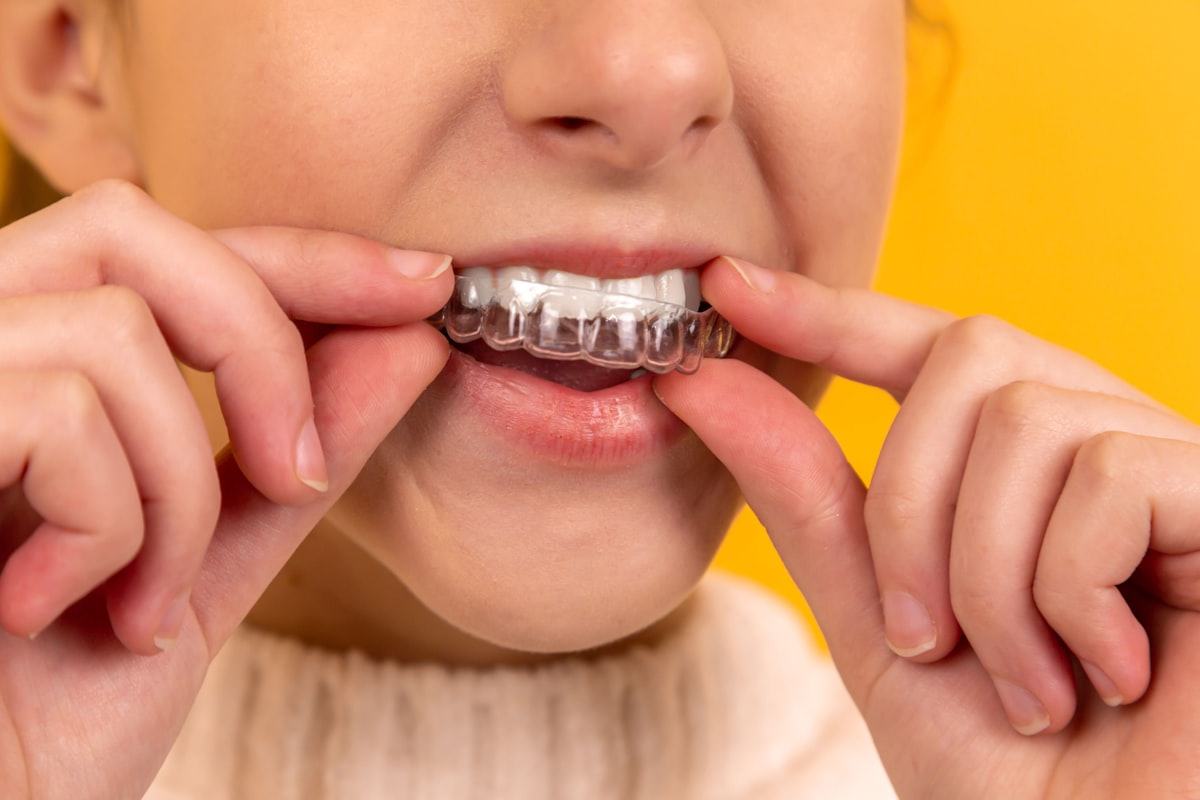
Invisalign uses a series of clear, removable aligners to gradually move crowded, spaced, or uneven teeth into better positions. At LPS Dental, we plan Invisalign treatment digitally and follow your progress from start to finish, with care available at our Lincoln Park, Downtown Chicago, and Norwood Park offices.

640+ Reviews

4.9 Overall Rating

Since 1999

Serving Chicago

3 Locations

Across Chicago

Trusted by Chicago — our associations, accreditations and partners.

What We Offer

Our Chicago Invisalign® Clear Aligners Services

Invisalign uses a series of clear, removable aligners to gradually move crowded, spaced, or uneven teeth into better positions. At LPS Dental, we plan Invisalign treatment digitally and follow your progress from start to finish, with care available at our Lincoln Park, Downtown Chicago, and Norwood Park offices.

Crowded Teeth
01

Crowded Teeth

When there is not enough room in the dental arch, teeth can overlap, rotate, or sit out of line.

More about this service

When there is not enough room in the dental arch, teeth can overlap, rotate, or sit out of line. Invisalign may be able to create space and guide those teeth into better positions. How that space is created depends on the individual case.
Learn More
Gaps Between Teeth
02

Gaps Between Teeth

Spaces can occur because of tooth size, tooth position, missing teeth, or the way the dental arches developed.

More about this service

Spaces can occur because of tooth size, tooth position, missing teeth, or the way the dental arches developed. Clear aligners can close many orthodontic spaces gradually. We also look at why the gap exists, since not every space should be treated the same way.

Learn More
Teeth That Have Shifted After Braces
03

Teeth That Have Shifted After Braces

This is more common than people think.

More about this service

This is more common than people think. If you wore braces years ago and stopped wearing your retainer, your teeth may have slowly moved. Invisalign can sometimes correct that relapse without putting you back into traditional braces.

Learn More
Bite Concerns
04

Bite Concerns

Invisalign is not just about making the front teeth look straighter.

More about this service

Invisalign is not just about making the front teeth look straighter. Depending on the case, clear aligners can also be used to address certain bite relationships. Your dentist will evaluate how the upper and lower teeth meet before deciding whether Invisalign is appropriate.

Learn More
Mildly Rotated or Uneven Teeth
05

Mildly Rotated or Uneven Teeth

A tooth that turns slightly or sits farther forward than the teeth around it can make an otherwise healthy smile feel uneven.

More about this service

A tooth that turns slightly or sits farther forward than the teeth around it can make an otherwise healthy smile feel uneven. Moving the tooth itself may be preferable to covering the issue with bonding or veneers.

Learn More
Tooth Position Before Cosmetic Dentistry
06

Tooth Position Before Cosmetic Dentistry

Sometimes Invisalign is the first step in a smile makeover rather than the final step.

More about this service

Sometimes Invisalign is the first step in a smile makeover rather than the final step. Moving teeth into better positions before veneers or bonding can help create more balanced proportions and may reduce the amount of restorative treatment needed afterward.

Learn More

Comfort, Expertise, And Trust

Why Choose LPS Dental For Invisalign® Clear Aligners?

Patient story from Lincoln Park Smiles

01We Listen Before We RecommendTell us what you notice.

Tell us what you notice. The recommendation comes after we understand the problem.

02Natural Results MatterTreatment should look like your smile, not a one-size-fits-all result.

Treatment should look like your smile, not a one-size-fits-all result.

03We Look Beyond AppearanceWe evaluate the health of the teeth and gums, existing restorations, tooth position, and bite before treatment.

We evaluate the health of the teeth and gums, existing restorations, tooth position, and bite before treatment.

04You Can See and Understand the PlanWe explain why something is recommended, what alternatives exist, and what treatment involves before you decide.

We explain why something is recommended, what alternatives exist, and what treatment involves before you decide.

How It Works

What To Expect From Your Invisalign® Clear Aligners Visit

  1. 01

    Start With an Invisalign Consultation

    We talk about what you would like to change and examine your teeth, gums, bite, and existing dental work.

    Read the full step

    We talk about what you would like to change and examine your teeth, gums, bite, and existing dental work. If you have active decay or gum problems, those issues may need attention before orthodontic treatment begins. This is also where we decide whether Invisalign is genuinely a good fit for the movement your teeth require.

  2. 02

    Scan Your Teeth

    Digital scanning creates a detailed three dimensional model of your teeth.

    Read the full step

    Digital scanning creates a detailed three dimensional model of your teeth. No tray full of impression material is needed. The scan becomes the starting point for treatment planning and helps us evaluate how the teeth need to move.

  3. 03

    Review Your Treatment Plan

    Your Invisalign plan maps out tooth movement over a sequence of clear aligners.

    Read the full step

    Your Invisalign plan maps out tooth movement over a sequence of clear aligners. We can discuss the expected changes, whether attachments or other techniques may be required, and the estimated treatment timeline. If something about the proposed result raises a question, this is when we want to talk about it.

  4. 04

    Start Wearing Your Aligners

    Once your aligners arrive, we check their fit and show you how to insert, remove, clean, and care for them.

    Read the full step

    Once your aligners arrive, we check their fit and show you how to insert, remove, clean, and care for them. You will move through your aligner sequence according to the schedule prescribed for your case. The important part is wear time. Invisalign works best when the aligners spend most of the day on your teeth rather than in their case.

  5. 05

    Monitor the Movement

    You will return periodically so we can make sure your teeth are tracking with the digital plan.

    Read the full step

    You will return periodically so we can make sure your teeth are tracking with the digital plan. Not every mouth follows a computer simulation perfectly. If an area needs more movement, additional scanning or refinement aligners may sometimes be recommended. That is part of active orthodontic treatment, not necessarily a sign that something has gone wrong.

  6. 06

    Protect the Result With Retainers

    Straightening the teeth is not the end of orthodontic care.

    Read the full step

    Straightening the teeth is not the end of orthodontic care. Teeth naturally have a tendency to shift after treatment, so retainers are used to help maintain their new positions. We will explain your retention plan once active Invisalign treatment is complete.

LPS Dental Chicago dentists

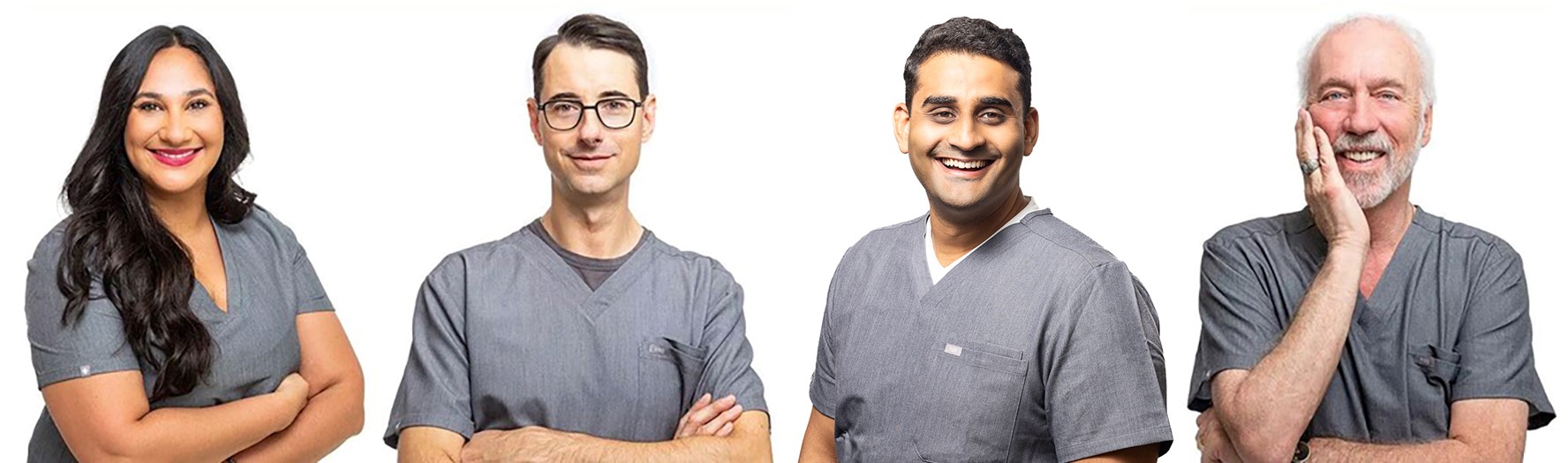
Meet The LPS Dental Team

Top Chicago Dentists

LPS Dental's roots in Chicago go back to 1999, when Dr. Jack Manikowski opened Lincoln Park Smiles.

Read more about the team

Today, LPS Dental has three Chicago offices and a team whose experience extends across cosmetic, restorative, implant, periodontal, prosthodontic, and general dentistry.

  • Treatment planning that considers appearance, tooth structure, function, and long-term health together.

  • Dr. Jack Manikowski is a member of the American Academy of Cosmetic Dentistry.

  • Digital scanning and planning tools help us evaluate and communicate proposed treatment.

Meet Our Dentists
Real Patients, Real Results

People Love LPS Dental

Questions & Answers

Invisalign FAQ

It is normal to have questions before treatment. Here are some of the things patients often want to understand first.

Invisalign is an orthodontic system that uses a series of clear, removable aligners to move teeth gradually. Each set is custom made for the patient's treatment plan. Rather than using brackets and wires attached to the teeth, the aligners apply controlled pressure as the patient progresses through the prescribed sequence.

Most Invisalign patients are instructed to wear their aligners for approximately 20 to 22 hours per day. They are normally removed for eating, drinking anything other than water, brushing, and flossing. Consistent wear is one of the most important parts of treatment.

Aligners should generally be removed before eating. That means you can continue eating the foods you normally enjoy without the restrictions associated with brackets and wires. Clean your teeth before putting the aligners back in whenever possible so food and sugar are not trapped against the teeth.

It is generally better to remove the aligners for coffee and other beverages besides water. Hot drinks can affect the aligner material, while dark or sugary beverages may stain the trays or expose the teeth to sugar while they are covered. For frequent coffee drinkers, the bigger challenge is simply making sure the aligners still reach the recommended daily wear time.

You may notice pressure or tenderness when you start treatment or change to a new aligner. That feeling is related to the force being applied to move the teeth and commonly settles as you adjust to the tray. Sharp pain, a poorly fitting aligner, or something that does not feel right should be discussed with your dentist.

Attachments are small tooth colored shapes bonded to selected teeth. The aligners fit around them and use them as additional points of contact, helping produce movements that would be harder for a smooth aligner alone to achieve. Not every tooth or every Invisalign patient needs attachments.

Invisalign can be used to treat certain bite problems, including some overbite cases. Whether it is appropriate depends on how the teeth and jaws relate to one another and the complexity of the correction required. A clinical evaluation is the only useful way to answer that for an individual patient.

Yes, Invisalign is commonly used to treat dental crowding. The treatment plan needs to determine where the necessary space will come from and how each tooth will move. More severe crowding may require additional orthodontic techniques or another treatment approach.

Start Your Next Visit Today

Visit us in Lincoln Park, Downtown Chicago, or Norwood Park. The first appointment should leave you with a clearer picture of your dental health and what, if anything, needs to happen next.

  • Lincoln Park1701 N Sheffield Ave #101, Chicago, IL 60614312-337-1665
  • Downtown Chicago Loop30 N Michigan Ave #1520, Chicago, IL 60602312-236-9325
  • Norwood Park6315 N Milwaukee Ave #2, Chicago, IL 60646773-774-1493