Prosthodontics focuses on restoring and replacing teeth when treatment becomes more complex. At LPS Dental, Dr. Robert Baima brings advanced specialty training in prosthodontics, periodontics, and dental implantology to cases involving worn or failing teeth, missing teeth, crowns, bridges, implants, dentures, and more extensive reconstruction. The goal is not simply to replace what has been lost, but to rebuild function, bite, appearance, and long-term maintainability together.

4.9 Overall Rating
Serving Chicago
Across Chicago
Prosthodontics focuses on restoring and replacing teeth when treatment becomes more complex. At LPS Dental, Dr. Robert Baima brings advanced specialty training in prosthodontics, periodontics, and dental implantology to cases involving worn or failing teeth, missing teeth, crowns, bridges, implants, dentures, and more extensive reconstruction. The goal is not simply to replace what has been lost, but to rebuild function, bite, appearance, and long-term maintainability together.
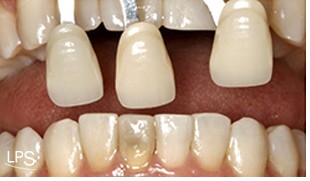
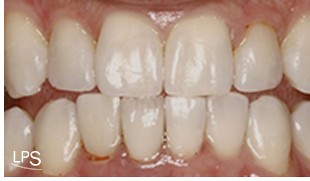
A crown may be straightforward when the surrounding teeth and bite are healthy. It becomes more complicated when the tooth is heavily damaged, several neighboring restorations are being replaced, space is limited, or the crown needs to fit into a larger reconstruction. Prosthodontic planning looks at the individual crown as part of the entire bite.
A bridge replaces one or more missing teeth by connecting the replacement teeth to supporting teeth or implants. Planning requires more than filling the empty space. The strength of the supporting teeth, bite forces, span of the bridge, ability to clean underneath it, and condition of the surrounding gums all influence whether a bridge is a reasonable option.
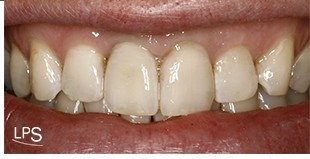
The implant placed in the bone is only one part of implant treatment. The final restoration above it may be a single crown, implant-supported bridge, overdenture, or larger full-arch prosthesis. Dr. Baima's training in both prosthodontics and dental implantology is particularly useful when surgical implant position and final tooth position need to be planned together.

Dentures remain an important option for replacing multiple missing teeth. Some patients need a conventional removable denture. Others may benefit from implants that provide additional retention and stability. Fit, bite, facial support, speech, chewing, and how the denture interacts with remaining teeth or implants all matter.

A full-mouth reconstruction is not one procedure. It is a coordinated treatment plan for patients whose teeth have experienced extensive wear, fractures, decay, missing teeth, failing restorations, or several problems at once. Treatment may involve a combination of crowns, bridges, implants, periodontal care, orthodontics, or other procedures.

Dental work completed years ago may eventually chip, wear, loosen, fracture, or stop matching the surrounding teeth. Replacing one restoration is usually straightforward. Replacing several restorations while maintaining the bite, tooth proportions, appearance, and function requires more detailed planning. That is where prosthodontic expertise becomes especially valuable.
Tell us what you notice. The recommendation comes after we understand the problem.
Treatment should look like your smile, not a one-size-fits-all result.
We evaluate the health of the teeth and gums, existing restorations, tooth position, and bite before treatment.
We explain why something is recommended, what alternatives exist, and what treatment involves before you decide.
You may already know exactly what is wrong. Perhaps several crowns are failing. Or you might simply know that eating has become more difficult and your dental work feels as though it has been repaired one tooth at a time for years. Both are reasonable starting points.
We evaluate remaining tooth structure, existing restorations, missing teeth, gums, bone support, tooth position, wear, and how the upper and lower teeth come together. The condition of each individual tooth matters, but so does its role in the overall mouth.
Digital scans, photographs, dental X-rays, and three-dimensional imaging may be used depending on the case. More complex restorative treatment requires accurate information about the starting point.
Before planning new dentistry, we identify what does not need replacing. Healthy teeth are valuable. Existing dental work that remains sound may also be worth keeping. The goal is not automatically to rebuild everything. 05 Compare the Restorative Options A missing tooth might be restored with an implant or bridge. A heavily damaged tooth may need a crown. A tooth with a poor prognosis may need extraction before replacement is considered. Several missing teeth may call for an implant-supported or removable prosthesis. We compare the options according to the actual mouth rather than applying the same treatment plan to everyone. 06 Build the Treatment Sequence Complex cases often happen in stages. Periodontal treatment may need to come first. Orthodontic movement may create better tooth positions. An implant may need healing time. Temporary restorations may be used while the bite and appearance are evaluated. The sequence should make sense before definitive treatment begins. 07 Complete and Maintain the Final Restorations Once definitive restorations are completed, maintenance becomes part of the treatment. Crowns, bridges, implants, and dentures still require professional monitoring and effective home care. The larger the restorative investment, the more important maintaining it becomes.
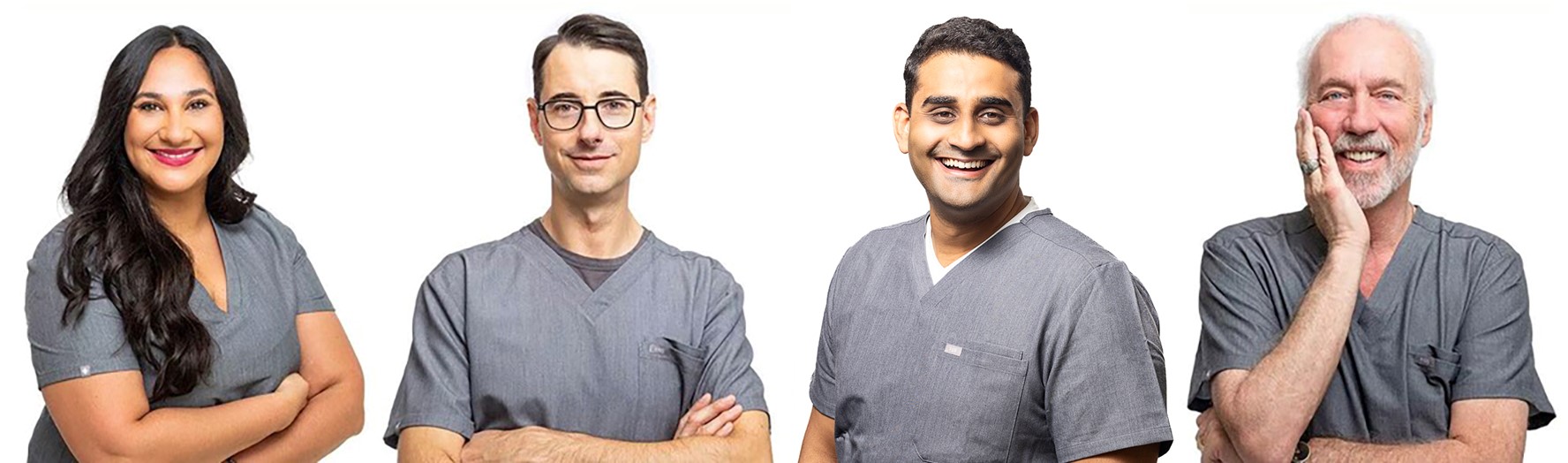
LPS Dental's roots in Chicago go back to 1999, when Dr. Jack Manikowski opened Lincoln Park Smiles. Today, LPS Dental has three Chicago offices and a team whose experience extends across cosmetic, restorative, implant, periodontal, prosthodontic, and general dentistry.
It is normal to have questions before treatment. Here are some of the things patients often want to understand first.
A prosthodontist is a dentist who completes additional specialty training focused on restoring and replacing teeth. Prosthodontics includes advanced treatment involving crowns, bridges, dental implants, dentures, bite rehabilitation, and complex reconstruction.
Prosthodontists diagnose and treat problems involving damaged, worn, or missing teeth and the restorations used to rebuild them. They are particularly useful when several teeth need treatment at the same time or when a case requires advanced planning involving implants, bite relationships, dentures, or extensive restorative work.
A general dentist provides broad preventive, restorative, and diagnostic care. A prosthodontist completes additional specialty education focused specifically on restoration and tooth replacement. Many crowns, fillings, and bridges can be treated very well by general dentists. More complex cases may benefit from the additional prosthodontic training.
Yes. Dr. Baima completed advanced specialty training in Prosthodontics and is a Diplomate of the American Board of Prosthodontics. He also has specialty training and board certification in Periodontology.
You may benefit from seeing a prosthodontist if you have multiple missing teeth, several failing restorations, extensive tooth wear, complicated implant needs, difficulty with dentures, major bite changes, or a treatment plan involving reconstruction of several teeth. Your general dentist may also recommend prosthodontic consultation when a case requires additional specialty planning.
Not necessarily. Patients may be referred by another dentist, but you can also contact LPS Dental directly if you have extensive restorative concerns or want a second opinion about a complex treatment plan. Your dental insurance plan may have its own referral requirements.
Full-mouth reconstruction is a coordinated treatment plan used when several teeth or areas of the mouth require restorative care. It may involve combinations of crowns, bridges, implants, dentures, periodontal treatment, orthodontics, and other procedures. It does not necessarily mean every tooth will be treated.
Not exactly. A smile makeover is generally driven primarily by cosmetic goals. Full-mouth reconstruction is more often driven by functional and structural problems such as extensive tooth damage, missing teeth, major wear, failing restorations, or bite concerns. A reconstruction can still have a significant cosmetic component.
You may need several restorations. You may need only one difficult tooth handled differently. Or you may have reached the point where years of dental work need to be looked at together rather than repaired one piece at a time. A prosthodontic consultation can help clarify what can be saved, what needs rebuilding, and how the treatment should be sequenced before you commit to extensive dentistry.
Free consult, in person or virtual. We’ll review your goals, your options and your costs before anything is scheduled.
Or call 773-830-6566